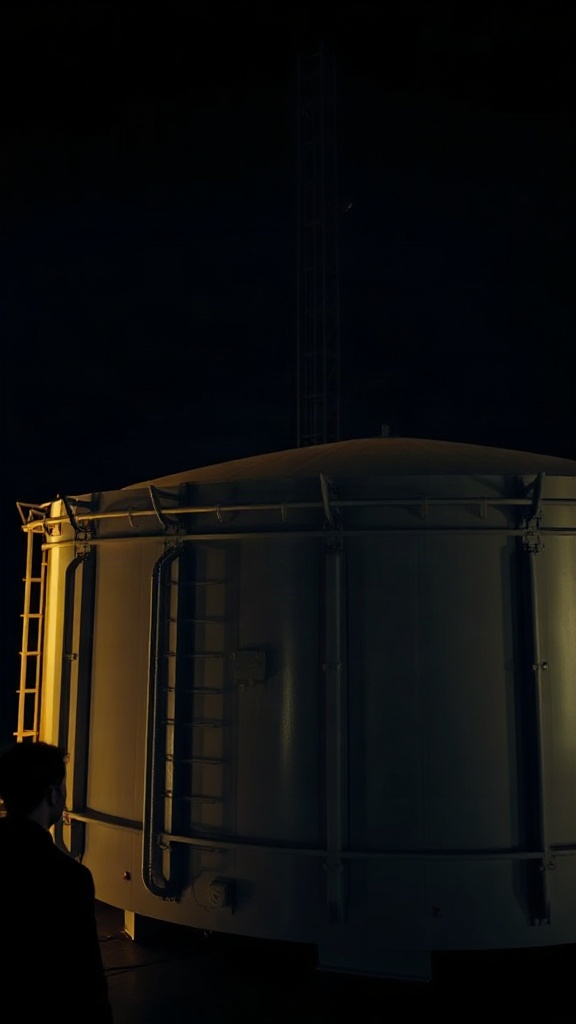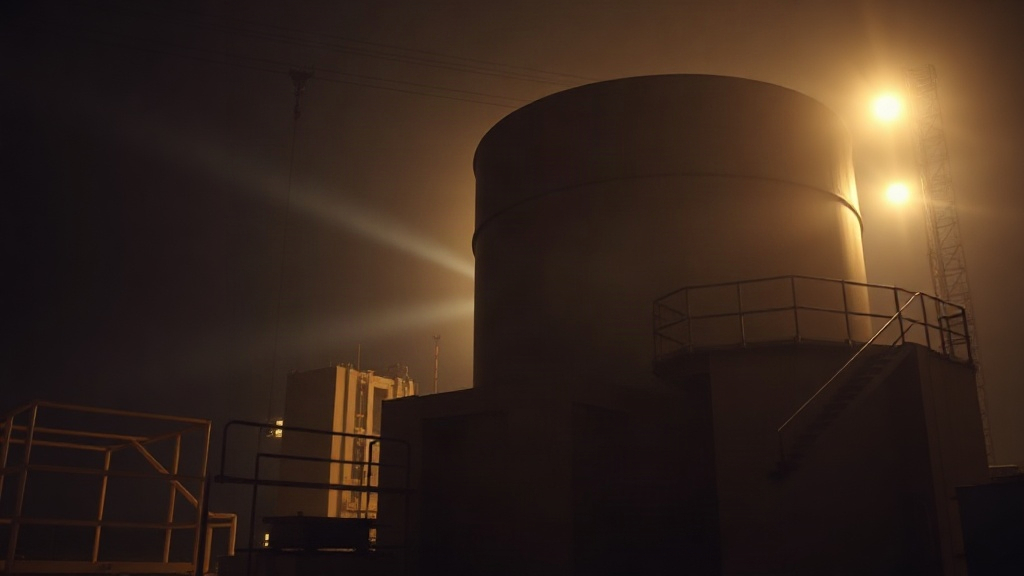
NuScale's first VOYGR small modular reactor at Idaho National Laboratory will enter commercial operation by 30 September 2028. The schedule is tight, but the incentives now point toward finishing a first plant rather than allowing another project reset.
The project has crossed into execution
NuScale's 2025-2026 construction milestones matter because they convert a long-running design effort into a sequence of site tasks, procurement decisions, and deadlines. Those steps expose delays earlier and make them harder to disguise as routine engineering work. Once components, contractors, and site preparation are coordinated, abandoning the project means writing off more than planning costs.
The June 2026 expansion of federal support strengthens that commitment. The DOE loan guarantee update reduces the financing risk that can otherwise stall first-of-a-kind construction. It does not make the reactor cheap or remove technical risk. It changes who carries part of the downside, giving the project more room to keep moving through cost pressure and schedule slippage.
Utah Associated Municipal Power Systems also gives the project a defined customer constituency. Its member communities have a reason to keep pursuing the supply they contracted for: they need dependable electricity, and they face growing pressure to add low-carbon generation without relying solely on weather-dependent output. Offtake commitments are not the same as completed construction, but they help sustain demand while the plant is being built.
Delay is possible, but indefinite delay is costly
First-of-a-kind nuclear projects routinely encounter licensing, component, workforce, and commissioning problems. Any one could push the date. The prediction is not that construction proceeds without friction. It is that the combination of federal backing, committed buyers, and accumulated project investment makes a bounded delay more likely than cancellation or another wholesale restart.
The alternatives have costs. A major schedule slip would weaken NuScale's credibility with utilities and investors, reduce the value of its federal support, and leave UAMPS members still needing replacement power. Walking away would leave the same electricity demand unmet while sacrificing years of work. For the DOE, allowing a highly visible supported project to fail would make future efforts to mobilize private capital for advanced reactors harder.
These pressures do not guarantee success. They do make completion the rational objective for every major participant. When a delay appears, sponsors can add resources, revise sequencing, or accept a higher cost. Each option is unattractive. None is as damaging as losing the project after reaching construction.
A working plant changes the next decision
Commercial operation by the deadline would not prove that every SMR design can be built cheaply or quickly. It would show that NuScale's design and project structure can pass from construction into sustained service at a US site. That record would give regulators, lenders, and prospective utility customers operating evidence instead of forecasts alone.
The effect would be practical. Follow-on projects could use demonstrated construction and commissioning experience to narrow their estimates of cost, schedule, and operational risk. Lenders would still demand project-specific evidence, and regulators would still review each application. But the first plant would reduce the burden of proving that the basic approach can work.
That is why the Idaho date matters beyond Idaho. The country needs firm power as electricity demand rises, while utilities and public agencies face constraints on both emissions and grid reliability. A commercial NuScale unit would not resolve those constraints by itself. It would make a repeatable nuclear option more credible at the moment buyers are deciding what to build next. The plant's first consequence would be a change in the financing and licensing conversation. Its larger consequence would be whether that conversation produces a pipeline of projects.
What is driving this
- 2025-2026 construction milestones convert NuScale's Idaho project from design work into an increasingly costly, observable build sequence.
- The June 2026 DOE loan guarantee expansion reduces financing pressure and makes continued construction more viable through cost overruns.
- UAMPS member commitments give the project an identifiable customer base with an ongoing need for dependable, low-carbon electricity.
- Abandonment or a prolonged reset would damage NuScale's credibility, federal support, and the municipalities' power plans more than a costly push to completion.
What would prove this wrong
The prediction fails if the Idaho unit has not entered commercial operation by 30 September 2028. A suspension of construction, withdrawal of UAMPS offtake commitments, or a regulatory or technical finding that prevents commissioning would make that outcome substantially more likely.
The signal
NuScale's 2025-2026 construction milestones at the site plus the June 2026 DOE loan guarantee expansion and state-level offtake commitments from Utah Associated Municipal Power Systems.